This case looks at a long-standing training injury and the role of pelvic control in how the body handles load during training.
Presentation
A woman who had moved interstate more than four years earlier attended with ongoing pain from a training-related strain sustained over a year before. Since the injury, she had seen several doctors and therapists in different states. She described the relief she had experienced as short-lived, with the pain returning once she went back to her usual training.
She had been a client several years earlier, before moving interstate, and chose to book a reassessment while she was back in the area.
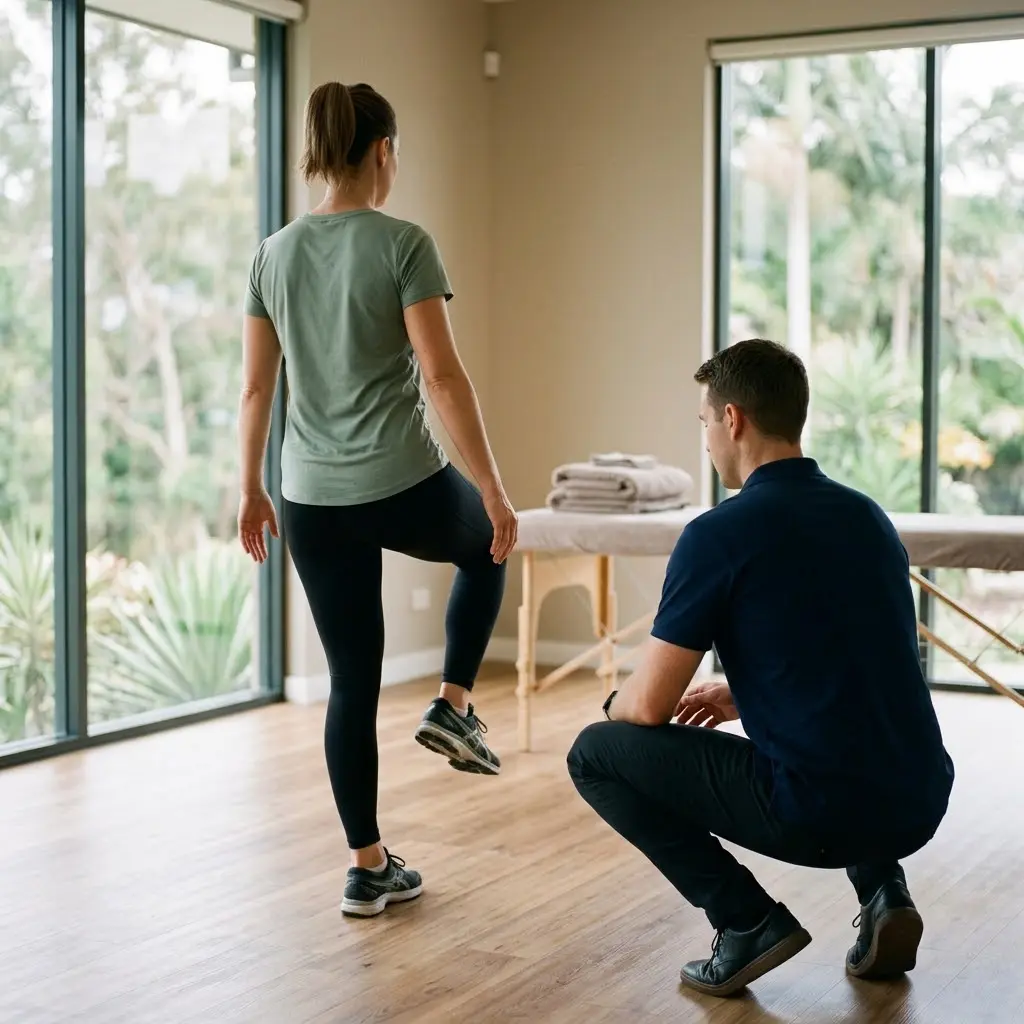
Assessing a long-standing training injury
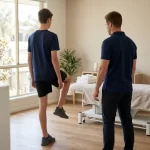
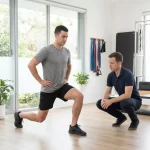
Rather than focusing only on the painful area, the assessment looked at how she moved as a whole during everyday and training-related movements. This included observing how she shifted her weight, balanced on one leg and controlled her trunk and hips as she moved.
Movement assessment suggested a subtle difference in pelvic control that may have been placing extra demand on the area she had strained.
Approach
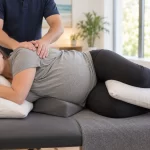
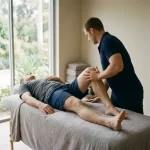
The session combined brief, targeted hands-on care with movement-based work focused on pelvic control. She was then reassessed through the same movements to see how they felt and looked, and was given simple strategies to practise as she returned to her training.
What the client reported
On reassessment within the session, she reported that her usual daily and training movements felt more comfortable. At a follow-up three days later, she reported that her pain had eased considerably, including some older discomfort that had previously limited her movement.
Follow-up was short, so it is not known how long these changes lasted. These observations reflect one person’s experience, and the earlier care she had received may also have contributed.
Why pelvic control matters in training
The pelvis sits between the trunk and the legs, and it plays a central role in passing load between them. During running, jumping, lifting and changing direction, the muscles around the hips and trunk work together to keep the pelvis steady. When that control changes, even slightly, other areas may take on more of the work.
This is one reason exercise scientists often look at the whole movement chain rather than only the site of pain. A movement assessment can help identify patterns worth working on, alongside care from a doctor or other health professional.
Reflection
This case was a reminder that a long-standing training injury can involve more than the area that hurts. Looking at how someone moves as a whole, including pelvic control, can add useful information to the picture, especially when symptoms keep returning with training.
Anyone with a long-standing training injury, or pain that keeps returning, should be assessed by a GP or sports medicine doctor first to rule out other causes. Movement-based care can then sit alongside their medical guidance.
Related case reflections
- Case 34: High Flexibility and Low Stability
- Case 24: Exercise After Spinal Surgery
- Browse all case reflections