Presentation
A woman in her early sixties attended for movement assessment and exercise guidance after two spinal surgeries: a thoracic (T12) procedure five years earlier and a cervical (C7) procedure three years earlier. She was looking for guidance on exercise after spinal surgery, as everyday activity had become very difficult. She reported:
- Ongoing discomfort through the spine
- Difficulty lifting anything heavier than about 1 kg
- Difficulty walking more than about 500 m
- Significant weight loss over the previous two years
- Poor sleep, managed with medication
- Weakness and altered sensation in her right leg
She had already received a range of medical and allied health care before attending.
Medical clearance
She was medically cleared for progressive exercise before loading began. Any changes to her medication were managed by her prescribing doctor.
Approach
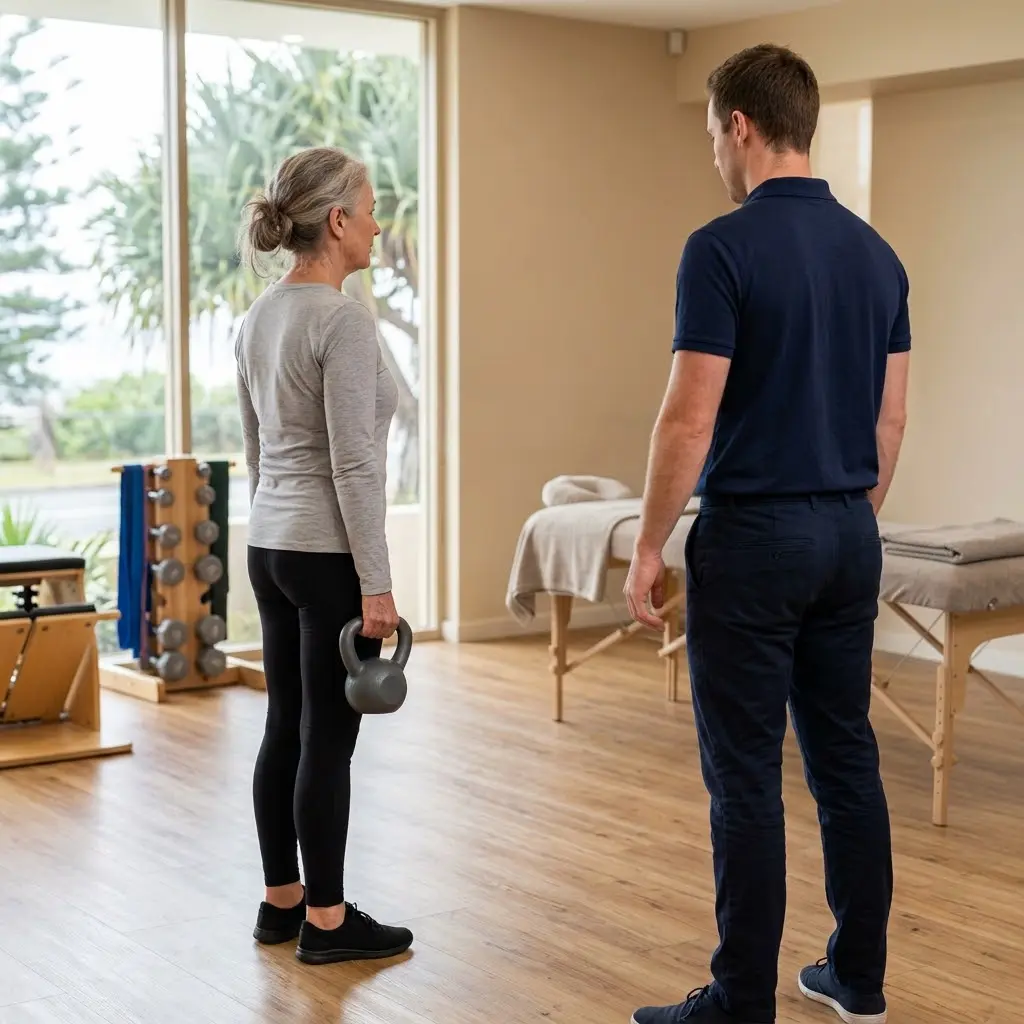
Working within my scope of practice and alongside her medical team, sessions included:
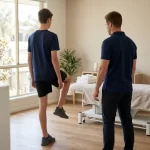
- Movement assessment and biomechanical analysis
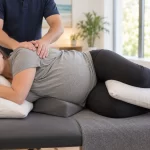
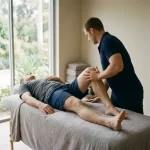
- Remedial massage for soft tissue tension and movement compensations
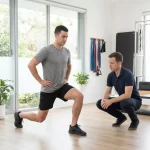
- Progressive, supervised loading based on exercise science principles
- Education about pain and how the body responds to load
- A graduated plan for returning to walking and other activities
What the client reported
Over the following weeks, she reported:
- Being able to lift heavier objects comfortably, progressing to more than 13 kg
- A gradual return to walking, then running
- Completing 5 km, 10 km and later 21 km distances
- Moving her spine more comfortably
- Regaining some weight
- Sleeping better, with medication reduced in consultation with her prescribing doctor
During sessions, her movement looked more fluid, she relied less on compensating patterns, and she appeared more confident when moving.
Reflection
This case was a reminder of how much a careful, graded approach to load can matter after spinal surgery. Her own commitment, the natural recovery timeline after surgery, and the input of her medical team are all likely to have played a part in these changes.
Anyone considering exercise after spinal surgery should get clearance from their surgeon or GP first, and progress under appropriate supervision. Movement-based care can then sit alongside their medical guidance.
Related case reflections
- Case 31: Long-Standing Scoliosis
- Case 8: Long-Term Thoracic and Spinal Restriction
- Browse all case reflections