Presentation
This case brings together several clients from highly flexible populations, including professional yoga teachers, Pilates instructors and dancers. Each had excellent joint range of motion, yet described long-standing movement restrictions, reduced strength and poor stability. Several said they had been told their declining performance was simply part of getting older, even though they were still training at a high volume.
Assessment
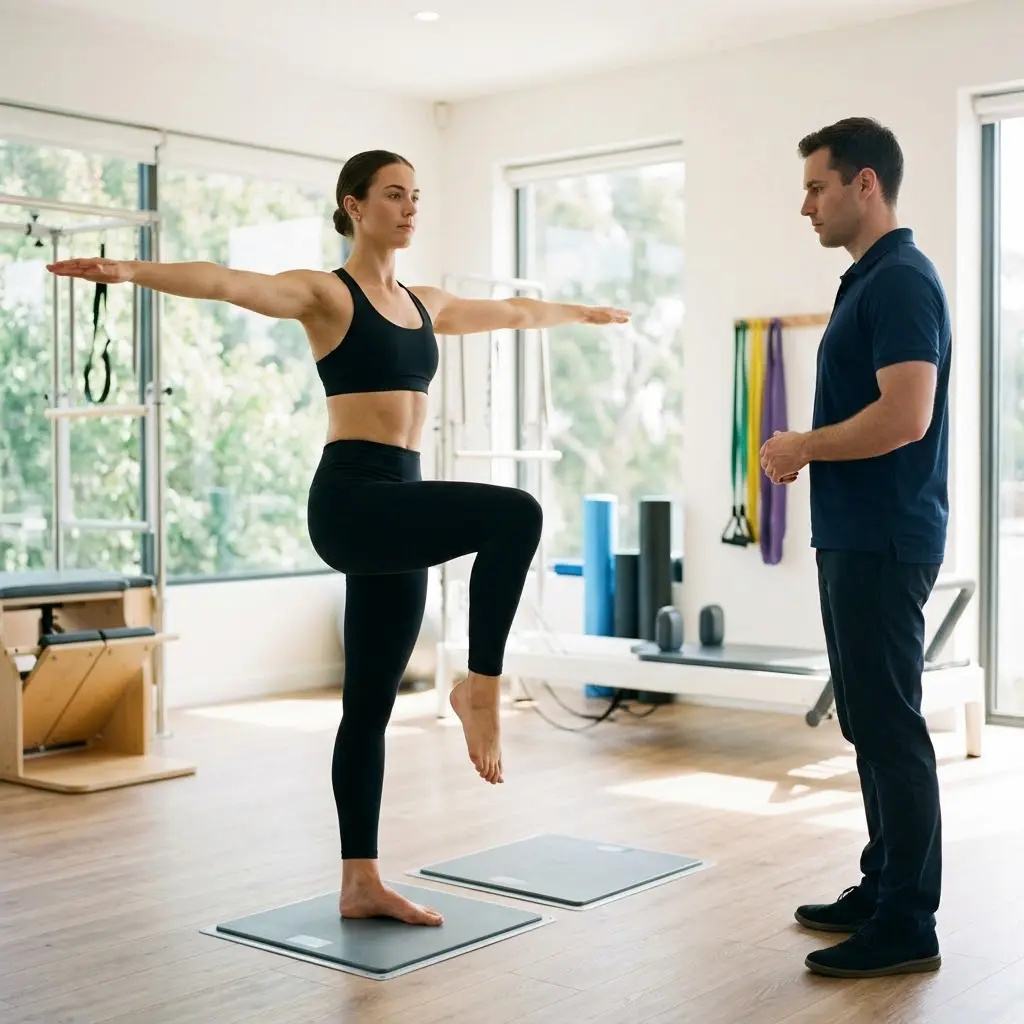
In static positions, these clients showed exceptional flexibility and control. Dynamic movement assessment showed a different picture. During loaded or transitional movements, some muscle groups appeared slow to engage, movement between body segments looked less coordinated, and force didn’t seem to transfer as efficiently through the body. Several clients reported that more stretching and their usual training hadn’t changed how these movements felt.
Approach
Sessions focused on neuromuscular activation and movement-chain training, building strength and control through the ranges these clients already had, rather than adding more flexibility.
What the clients reported
Clients reported feeling stronger, more stable and more in control during dynamic movement. Several said they hadn’t felt this level of control or strength in years.
Reflection
Flexibility and stability are different qualities, and having plenty of one doesn’t guarantee the other. For highly flexible people, a dynamic assessment that looks at how muscles engage under load and during transitions can add useful information alongside their existing training and teaching. Persistent pain, a sense of joint instability or recurring injury should be assessed by a GP or relevant health professional.
Related case reflections
- Case 32: Long-Standing Shoulder Pain and Abdominal Tension
- Case 31: Long-Standing Scoliosis and Postural Change
- Case 28: Active Ageing With Arthritis