Presentation
This case is about how a long-standing food intolerance can shape a person’s whole life, and why that matters during history-taking. While talking through her history, a client told me she had lived with severe food intolerance for more than ten years. Small changes in salt, oil, sugar, type of food or strong flavours could bring on vomiting and diarrhoea.
What she shared
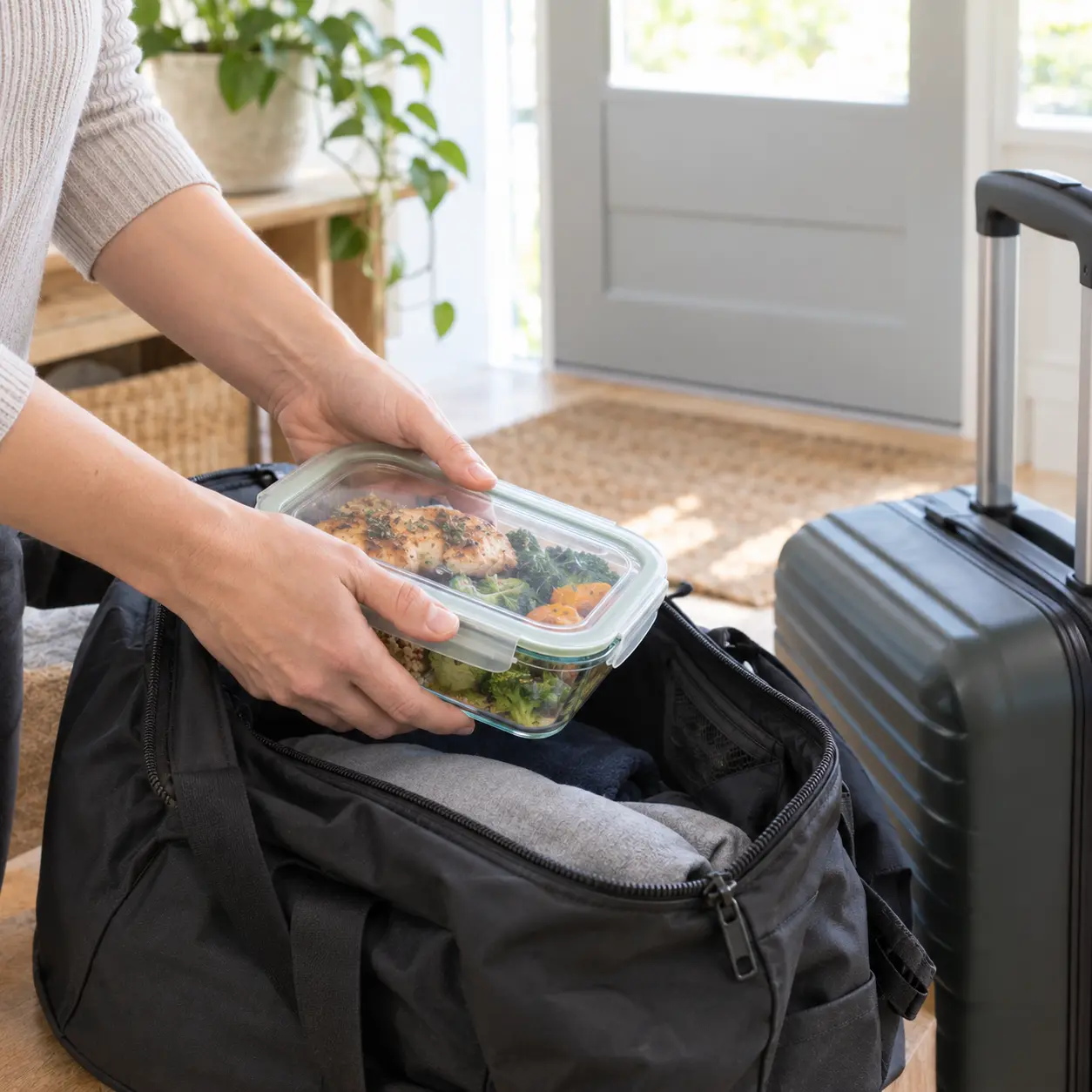
What stood out most wasn’t the symptoms themselves, but how much they had shaped her life. Eating out was very difficult. Travel often had to be avoided, because she relied on food she had prepared herself. Social plans were organised around what she could safely eat.
As with anything that may have a medical cause, I encouraged her to keep working with her GP and specialists on her digestive symptoms, which sit outside my scope of practice.
Reflection
A symptom list only tells part of the story. Asking “how does this affect your day-to-day life?” often reveals far more: the trips not taken, the invitations declined, the routines built around avoiding a problem. That bigger picture helps any practitioner understand what matters most to the person in front of them, and it often shows why the right medical support is so important.
Hands-on and movement-based care has a role in many people’s lives, but digestive conditions belong with a GP, gastroenterologist or dietitian. Knowing where your role ends, and helping someone get to the right person, is part of good care.
When to seek medical advice
If food reactions are limiting what you eat or how you live, talk to your GP. They can investigate possible causes and refer you to a gastroenterologist or an accredited practising dietitian. Seek urgent care for vomiting that won’t stop, blood in vomit or stools, signs of dehydration, severe abdominal pain, or difficulty breathing or swelling of the face or throat after eating.
Related case reflections
- Case 16: When “It’s Always Been Like This” Is Worth a Second Look
- Case 36: When a Pregnancy Changes the Plan During Care
- Browse all case reflections