Presentation
A man in his late 40s with a physically active background was referred following a confirmed diagnosis of Guillain–Barré syndrome (GBS), an immune-mediated condition affecting the peripheral nerves. His weakness began after a viral illness and progressed over several days to near-complete loss of voluntary movement.
At the first session he was using a wheelchair, with very low muscle tone, marked sensory changes and minimal voluntary control of all four limbs, particularly the legs. Given the risks associated with GBS, including possible breathing involvement, he remained under continuous medical supervision.
Approach
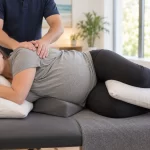
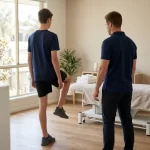
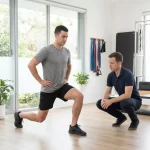
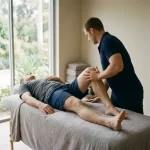
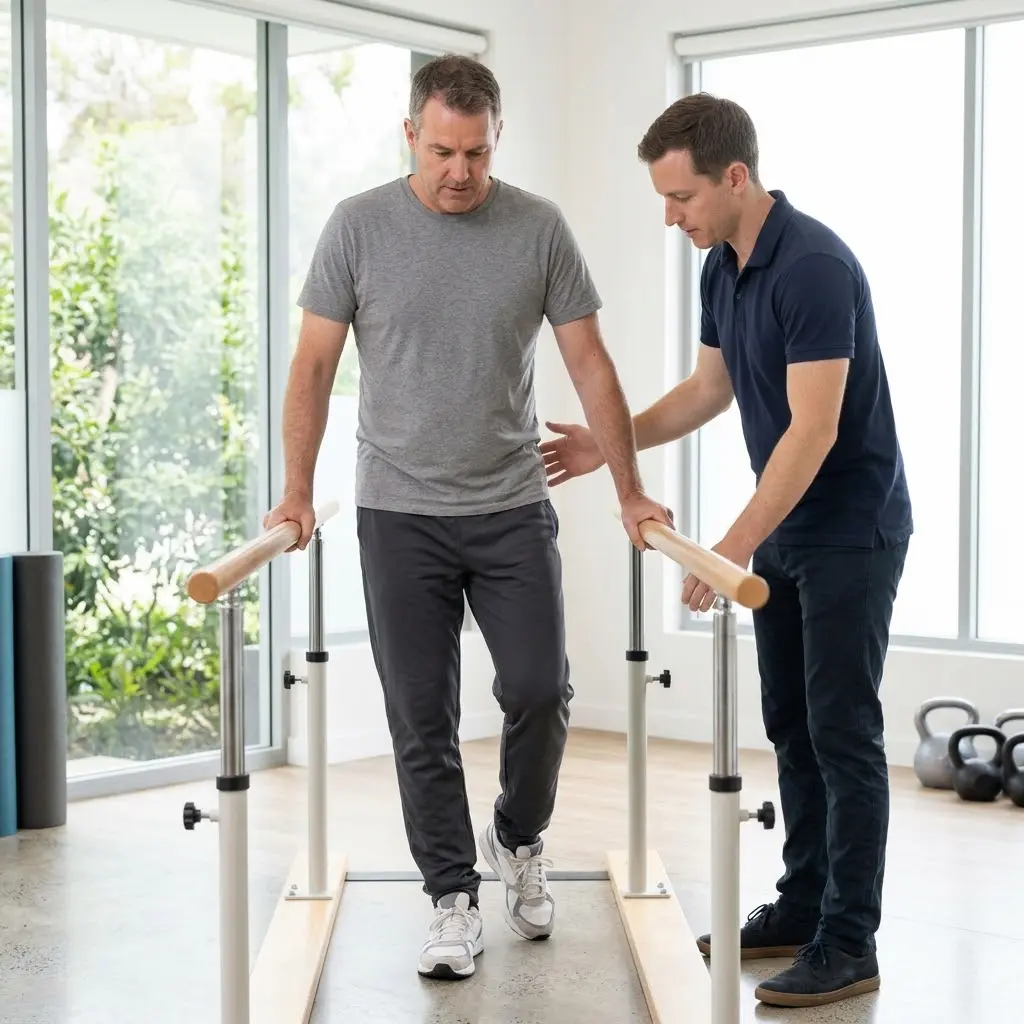
Sessions were delivered alongside his ongoing medical and physiotherapy care. Early sessions focused on supporting muscle engagement, tolerance of upright positions and simple functional tasks. Later sessions focused on walking consistency, balance and control of the lower legs and feet, within limits agreed as safe.
What was observed
After the early sessions, gradual changes in leg muscle activation and postural stability were observed, and the treating physiotherapy team began a trial of walking with crutches. By around day 38 after onset, he was walking short distances on crutches with less support, and functional testing showed improved balance, coordination and voluntary muscle use, particularly through the thighs.
Reflection
Recovery from GBS varies widely and can take many months. Much of that recovery reflects the natural course of the condition and the medical treatment provided, and it isn’t possible to say what contribution any single part of his care made. What this case does show is how movement-based sessions can sit within a hospital and physiotherapy team, with each part of the team aware of what the others are doing.
Sudden or spreading weakness or tingling, especially with any difficulty breathing or swallowing, needs emergency medical care. Call 000.