Presentation
A man in his mid-sixties attended with his carer, using a wheeled walker. He had knee replacement surgery three years earlier, but was still finding standing and walking without support very difficult. Before surgery, he had lived with severe knee pain for around five years. He had also taken part in hospital-based rehabilitation programs since his surgery.

Assessment
Assessment showed marked weakness through both legs, difficulty shifting his weight from one leg to the other, and very limited balance when standing.
Approach
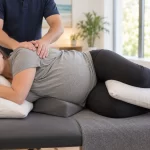
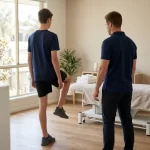
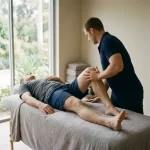
The session combined hands-on care for the legs with simple functional activities, focusing on:
- Activating the muscles around the hips and knees
- Shifting weight between the legs
- Standing balance, with support close by
- Assisted walking practice
What was observed and reported
On reassessment during the session, he was able to stand more steadily. During assisted walking practice, he took several controlled steps with less reliance on support.
When contacted a week later, he reported that his legs still felt steady and that he felt more confident standing and walking short distances.
Changes seen within a single session do not always last, and they can have many possible explanations, including the rehabilitation he had already completed. These observations reflect one person’s experience.
Reflection
Difficulty standing after knee replacement can continue for a long time, and every person’s path is different. This case was a reminder that weight shifting and balance in standing are worth looking at closely, even years after surgery, alongside ongoing medical and rehabilitation care.
Anyone still having difficulty standing or walking after knee replacement should talk with their surgeon, GP or rehabilitation team first. Movement-based care can then sit alongside their medical guidance.
Related case reflections
- Case 27: Movement After Bilateral Knee Replacement
- Case 28: Returning to Movement With Arthritis
- Browse all case reflections