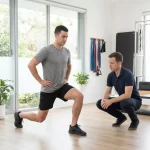
This case looks at a growth spurt and coordination in a teenage athlete, and why movement can feel unfamiliar when the body changes quickly.
Presentation
A 17-year-old athlete training at a high level was brought in after a period of very rapid growth over the previous year. Since then, a number of things had changed. Running sometimes brought on nausea, coordination during training had declined, and the shoulder of the throwing arm had become strained.
The athlete’s medical team had already carried out investigations, and no structural injury or other medical cause had been found.
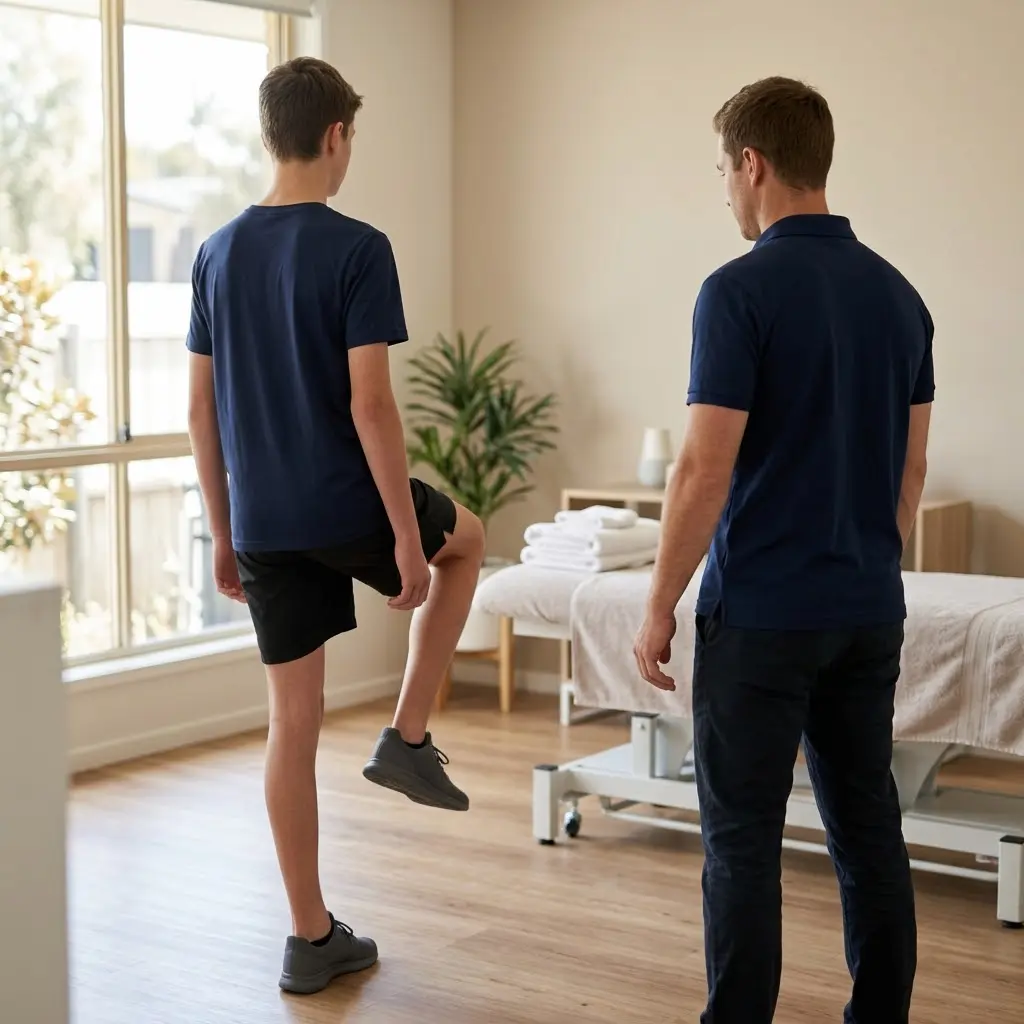
Assessing a growth spurt and coordination
The movement assessment looked at walking, running and single-leg balance, rather than the shoulder alone. It suggested:
- Noticeable unsteadiness during walking and running
- Reduced control through the trunk when moving side to side
- Less effective transfer of load through the hips
When the trunk and hips are not contributing as much to a throwing movement, the shoulder may take on more of the work. This seemed a possible contributor to the shoulder strain.
Approach
Sessions focused on movement-based work, including:
- Trunk stability exercises, particularly for side-to-side control
- Hip activation and strength work
- Practising smooth weight transfer from one leg to the other
- Gradually linking these patterns back into running and throwing
What was observed
On reassessment within the first session, walking and running looked steadier. At later sessions, the throwing action appeared to use more contribution from the trunk and legs, with less reliance on the shoulder alone.
Teenagers often adapt to their new size naturally over time, and this is likely to have contributed. These observations reflect one young person’s experience.
The link between a growth spurt and coordination
During a growth spurt, bones can lengthen faster than muscles, tendons and the nervous system adapt. Movements that once felt automatic can suddenly feel awkward, because the body is working with longer levers and a changing sense of where the limbs are in space. Coaches sometimes describe this as “adolescent awkwardness”.
This mismatch is usually temporary, but it can affect performance and may increase strain on certain areas during training. Adjusting training load and including coordination work during this period is something many coaches and exercise professionals consider.
Reflection on a growth spurt and coordination
This case was a reminder that when a young athlete’s performance changes after a growth spurt, coordination is worth looking at alongside strength and fitness. For parents and coaches, it can help to know that these changes are common and often temporary.
Any young person with nausea during exercise, ongoing pain or a sudden drop in coordination should be assessed by a GP or sports medicine doctor first, to rule out other causes. Movement-based care can then sit alongside their medical guidance.
Related case reflections
- Case 23: Unexplained Leg Pain in a 12-Year-Old
- Case 4: Strength and Motor Control
- Browse all case reflections