Presentation
A man in his 50s who works in construction had undergone knee replacements on both knees several years earlier. He continued to find many daily and work tasks difficult. He couldn’t alternate legs on stairs, could only pedal a bicycle through half a rotation, and felt unsteady while walking. Running was painful, and kneeling for ground-level work wasn’t possible, which limited him significantly at work.
Approach
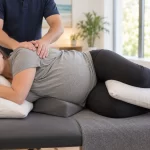
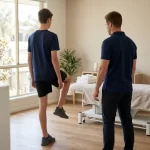
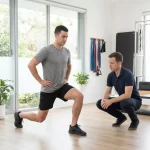
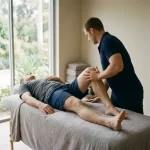
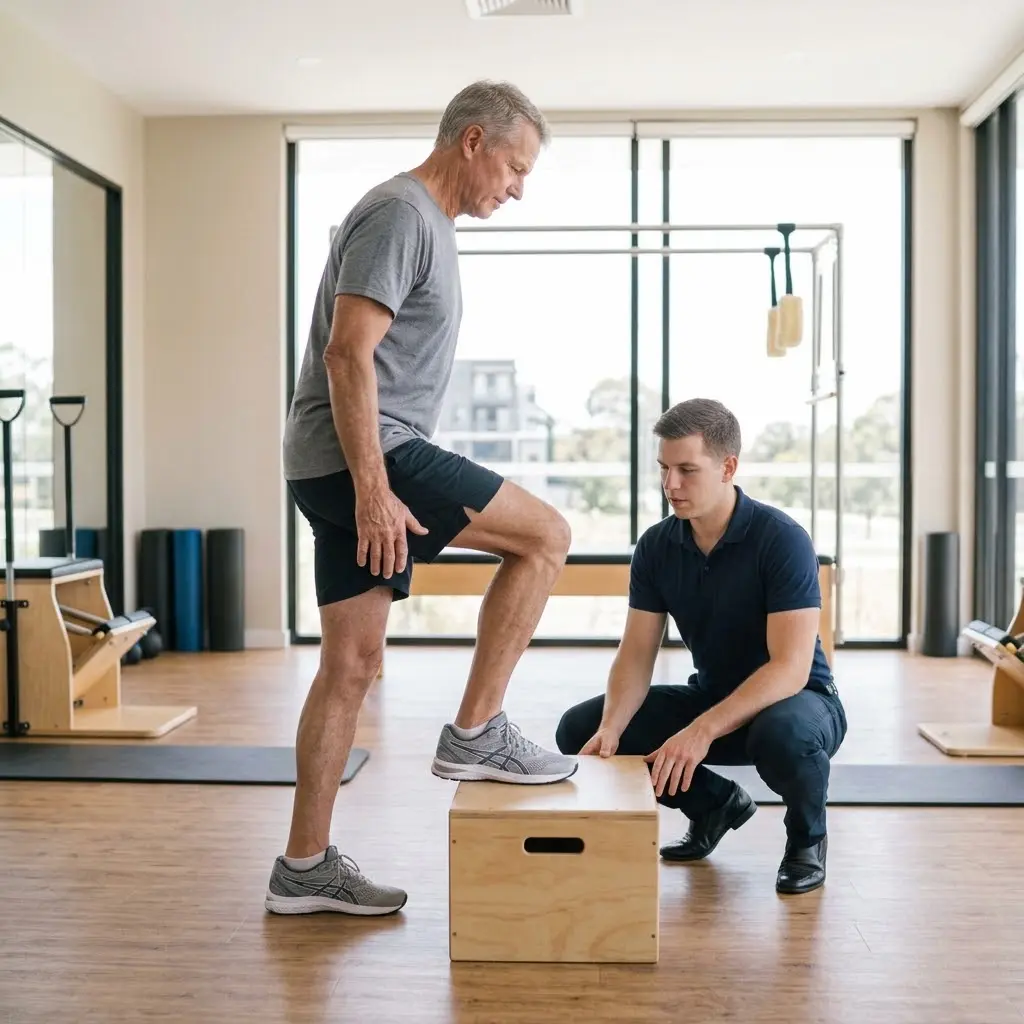
Care used a structured, movement-based approach focused on lower-limb coordination, how the hips, knees and ankles worked together, and overall movement efficiency.
What the client reported
Over the course of care, he reported that he could alternate legs on stairs, pedal through a full rotation, swim comfortably, kneel for ground-level work and run again. He now plays field hockey three times a week, and has talked about trying gymnastics-style movement training.
Reflection
Recovery after joint replacement varies widely, and the surgery is only one part of how a person moves afterwards. This case is a reminder that coordination and whole-body movement may be worth assessing when everyday tasks remain difficult years later.
Anyone with a joint replacement should check with their orthopaedic surgeon before taking up running, kneeling-intensive work or high-impact sport, as advice differs between individuals and implants.