Presentation
A client presented with a long-standing training injury that had lasted more than 12 months. They had already received care from other providers, and said progress had been slower than they’d hoped.
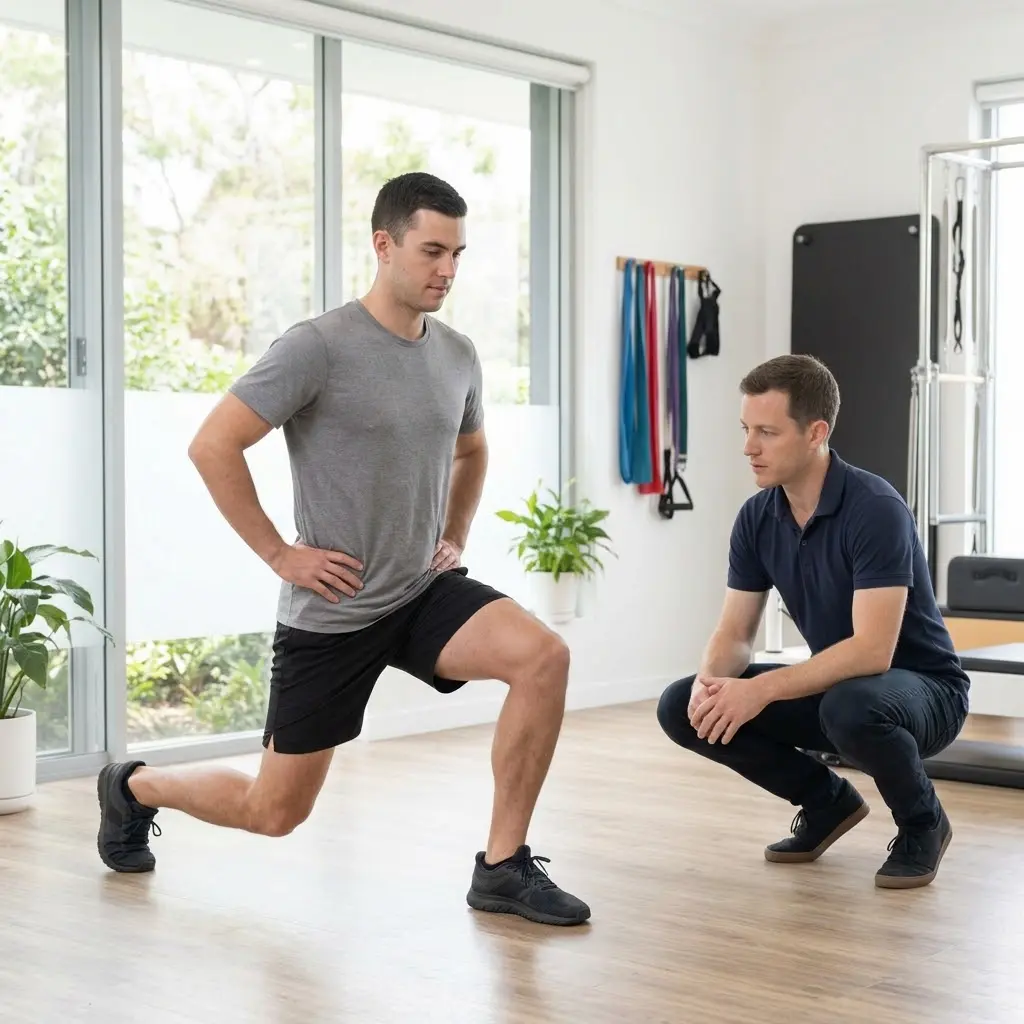
Assessment
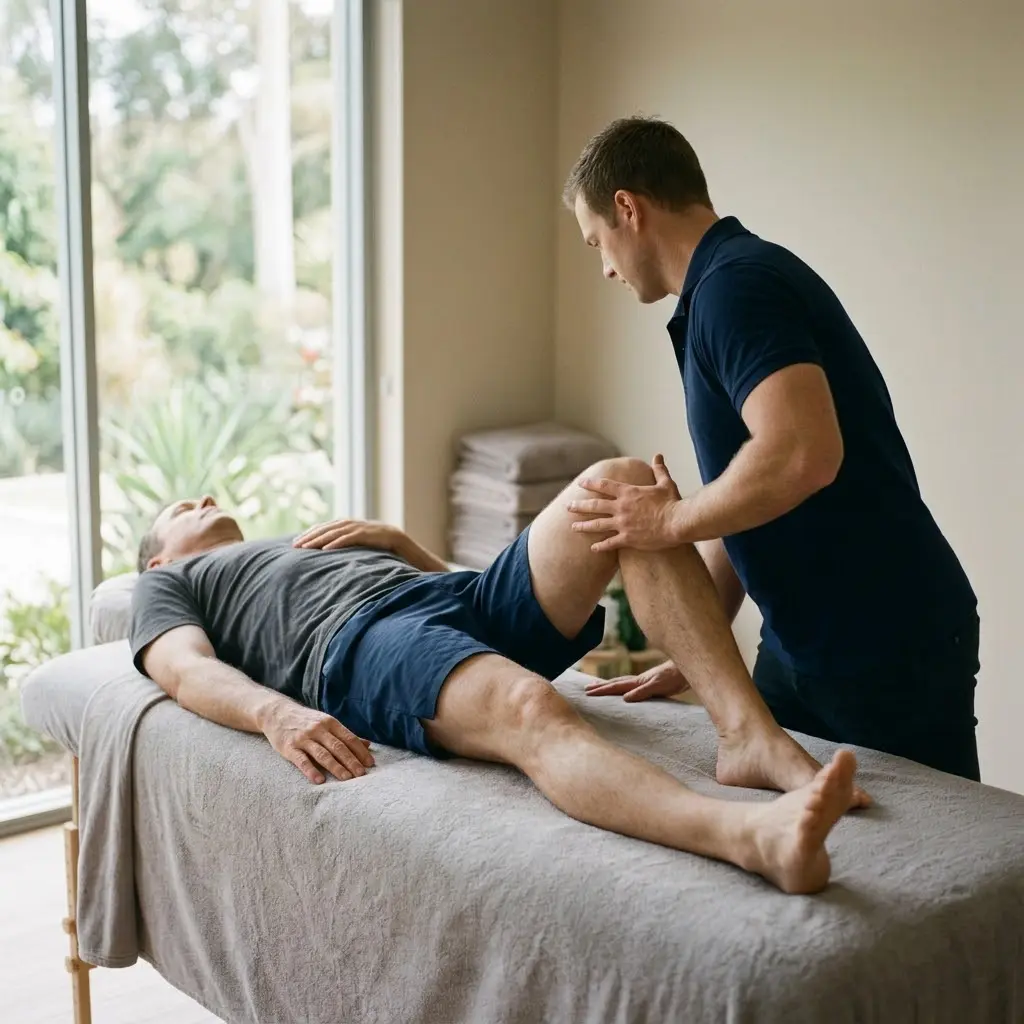
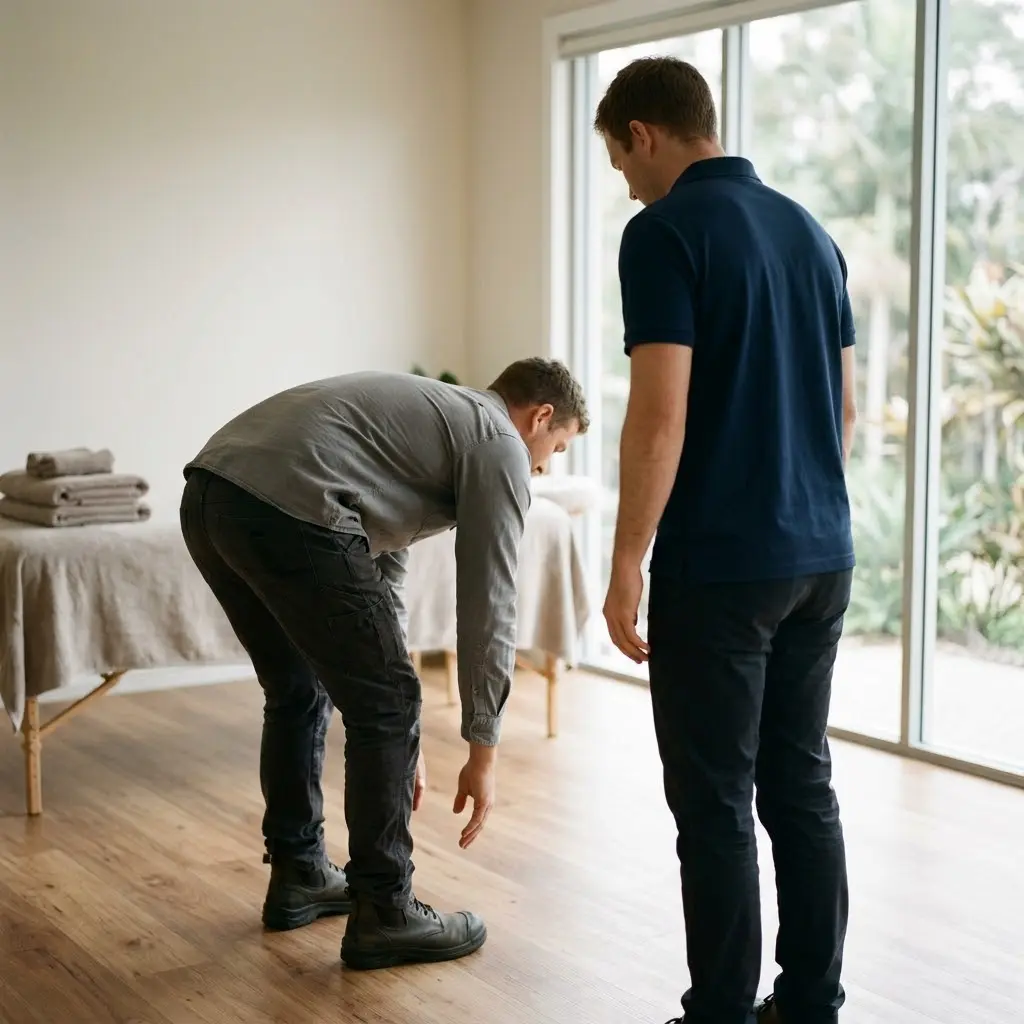
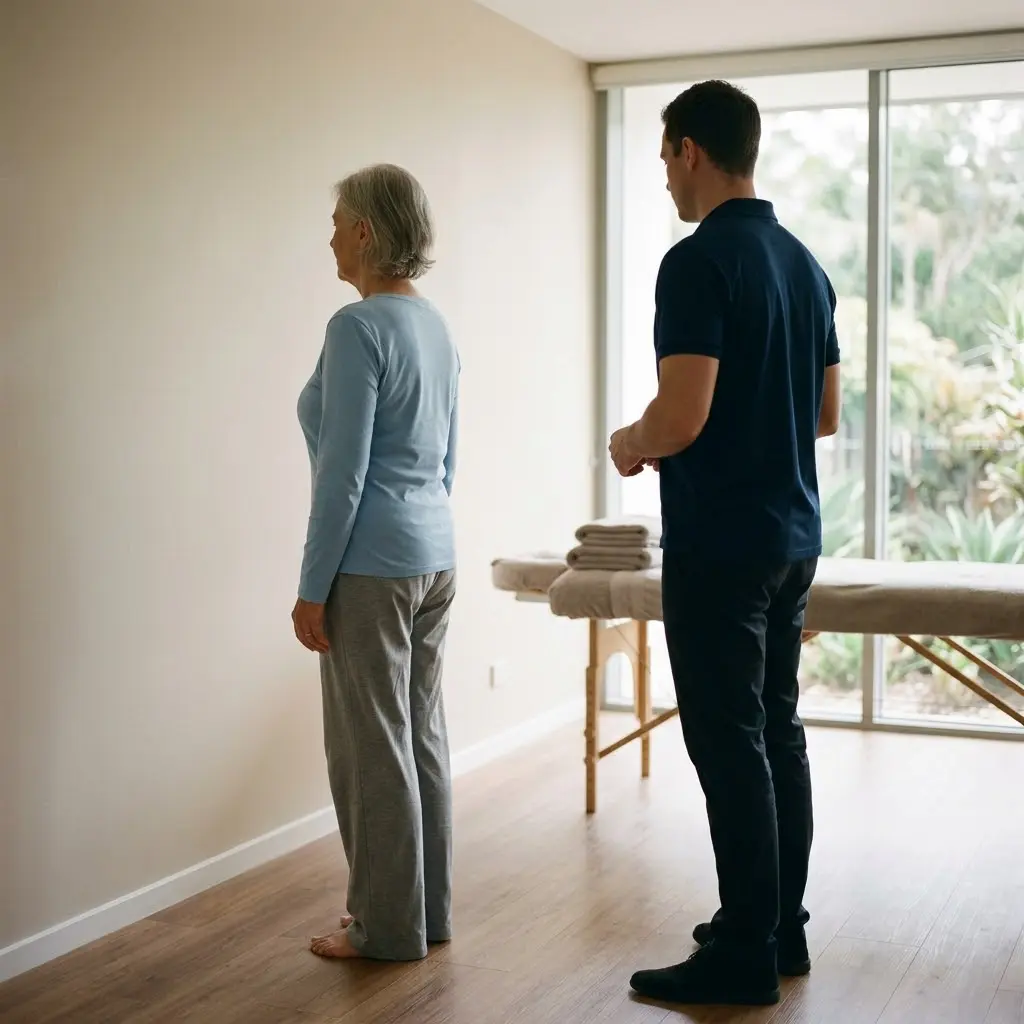
A whole-body movement assessment looked beyond the painful area. It noted uneven pelvic positioning, which appeared to change how load was shared between the two sides of the body during functional tasks.
Approach
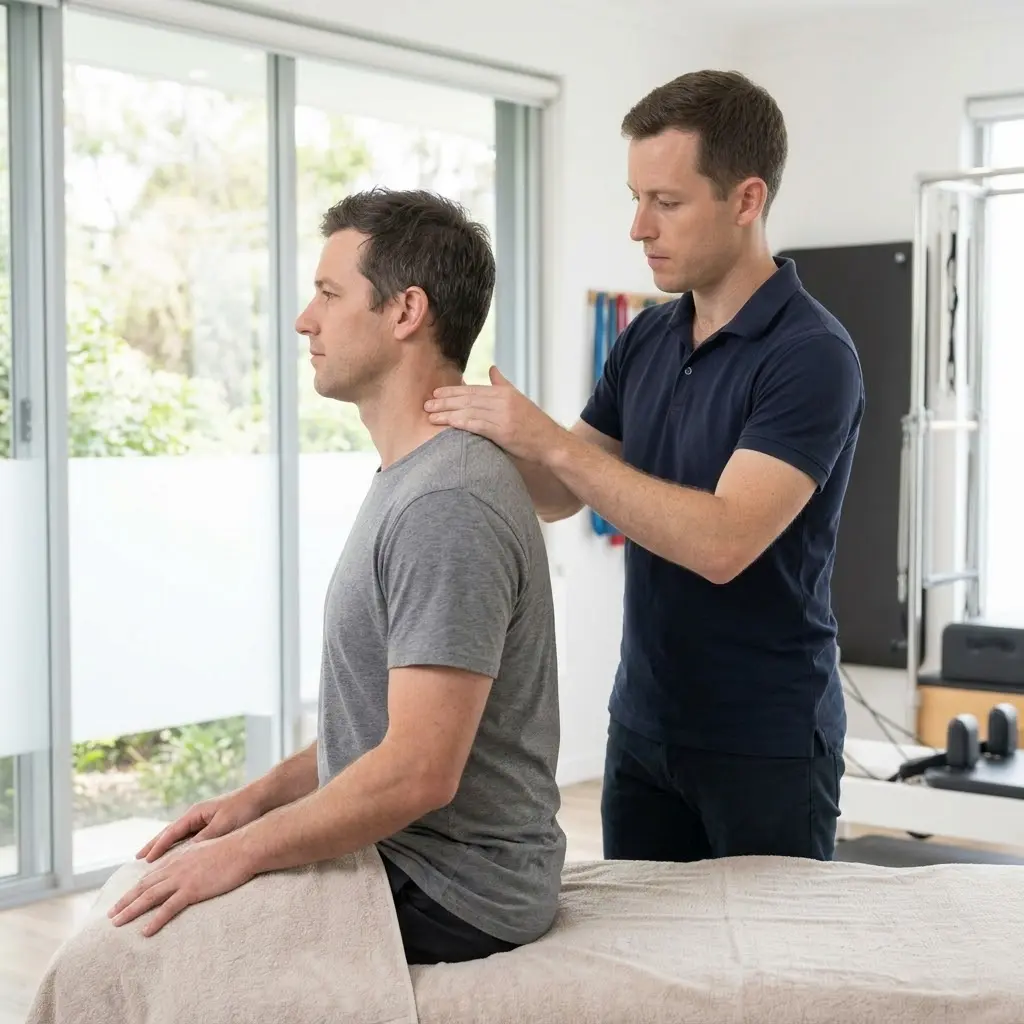
Sessions focused on pelvic alignment during movement and on sharing load more evenly between both sides.
What the client reported
The client reported less pain during movement soon after care began. At follow-up, they reported that their symptoms had largely settled, that they felt more confident moving, and that they had returned to their usual daily and training activities.
Reflection
When an injury is slow to settle, it can be worth stepping back to look at how the whole body moves, not just the area that hurts. A full movement reassessment can add another perspective alongside the care someone is already receiving. One case can’t show what caused the change, and the earlier care and natural recovery may have contributed.
A training injury with significant swelling, an inability to bear weight, numbness or weakness, or pain that keeps getting worse should be assessed by a GP or sports doctor.