Presentation
Charcot–Marie–Tooth disease type 1 (CMT1) is a hereditary peripheral neuropathy commonly associated with progressive changes in sensation and muscle control, particularly in the feet and lower legs. This client had been living with a CMT1 diagnosis for over three years.
At initial presentation, they were unable to stand independently without assistive devices. Features included severe foot drop, absent toe sensation, marked ankle deformity and increasing difficulty with weight-bearing tasks, and their reliance on external support had been growing.

Approach
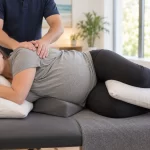
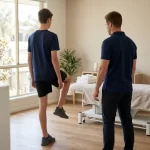
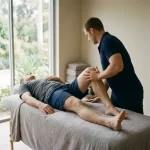
Over approximately four months, sessions focused on graded neuromuscular engagement, postural organisation, load tolerance and task-specific movement strategies. Care was delivered conservatively and alongside the client’s ongoing medical care.
What was measured
Task-based measures were recorded across the four months:
- Loaded walking: from 2 kg to 10 kg
- Resisted dragging: from 2 kg to 11 kg
- Weighted pushing: from 40 kg to 90 kg
- Climbing board: from 45° at 210 cm to 80° at 270 cm, including short, controlled climbs of up to 160 cm without assistive devices
What was observed
Over the same period, the client showed improved coordination, postural control and confidence during movement tasks. Foot clearance during walking and ankle positioning during functional activities also appeared to change, which may reflect better coordination and load management.
Independent standing remained limited, although the client was able to hold brief unsupported standing under controlled conditions. Visible muscle engagement through the trunk, hips and legs was noted during tasks.
Reflection
CMT1 remains a progressive neurological condition with a highly variable course. The changes in this case reflect task performance and movement capacity, not any change to the condition itself. Recording simple, repeatable task measures, such as loads, distances and angles, gave a clearer picture of change than impressions alone.
Anyone living with CMT should plan exercise together with their neurologist and treating team, and continue regular medical monitoring.