Presentation
This client was referred by their medical practitioner after nearly a year of sudden episodes of unexplained limb weakness. Neurological, muscular and imaging investigations, including MRI, had been reported as normal, and no clear diagnosis had been reached.
Although they exercised regularly with a personal trainer, they continued to feel weak and tired easily. They also described difficulty taking a full breath for several years, with even light activity leaving them short of breath.
Assessment
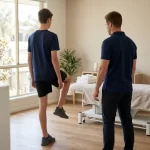
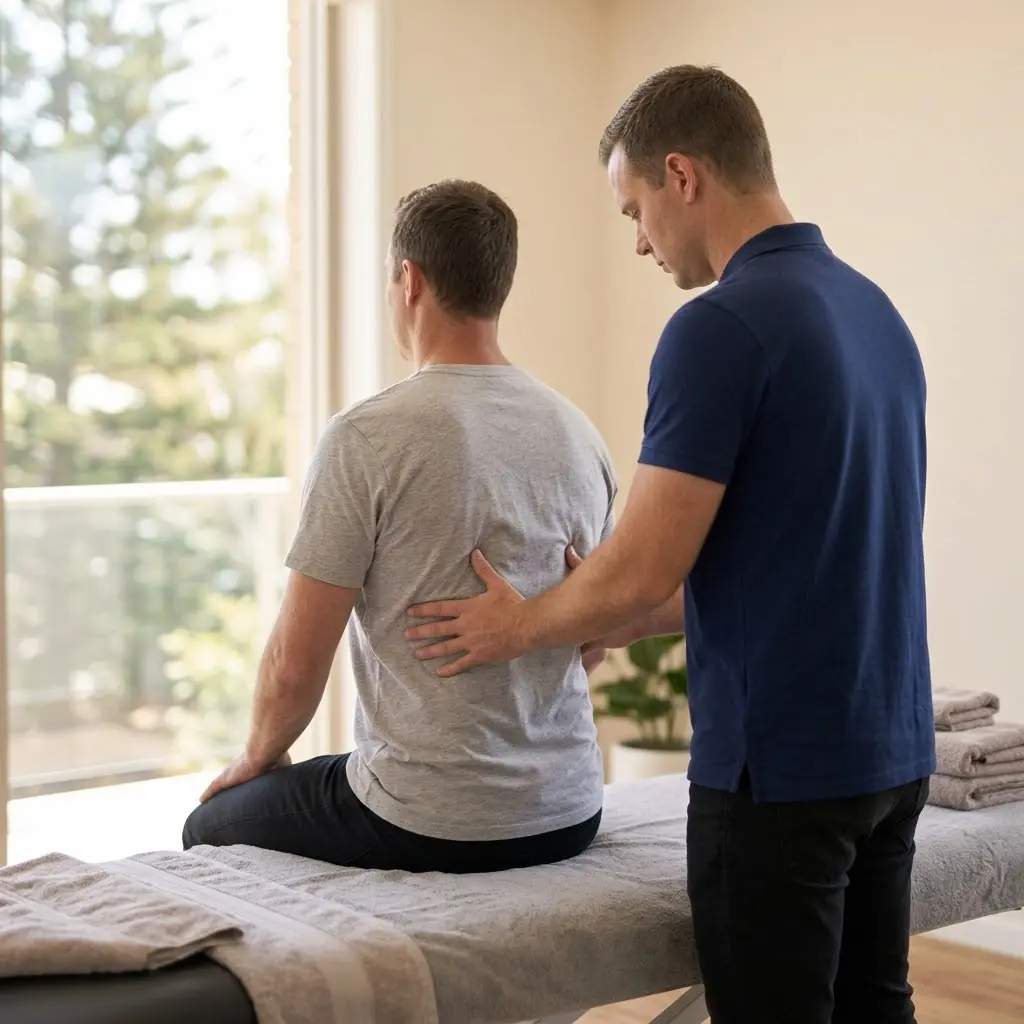
Assessment showed restricted movement through the ribs and upper back during breathing. When asked to breathe in fully, the client could only sustain an in-breath for less than one second.
Approach
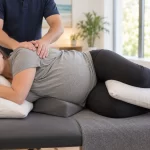
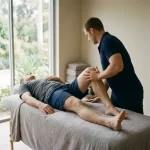
Sessions combined hands-on care with movement-based work focused on:
- Mobility through the upper back and ribs
- Abdominal and breathing muscle function
- Practising slower, fuller breaths in different positions
What was observed and reported
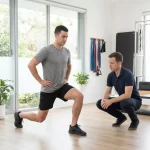
After several sessions, the client’s in-breath had lengthened to nearly three seconds. Over the same period, their movement looked more controlled during exercise, and they reported feeling stronger and able to do more physically.
These observations reflect one person’s experience, and the reasons for these changes are not fully known.
Reflection
This case was a reminder that breathing is worth looking at as part of a movement assessment, particularly when someone feels weak or tires easily. Breathing and movement are closely linked, and for this client, working on both seemed to be a useful part of their care alongside their medical team.
Anyone with unexplained weakness or breathlessness should be assessed by a GP first, and sudden or worsening breathlessness needs prompt medical attention. Movement-based care can then sit alongside their medical guidance.
Related case reflections
- Case 37: Long-Standing Breathing Restriction and the Ribs
- Case 18: Breathing and Persistent Back Pain After a Car Accident
- Browse all case reflections