This case looks at long-standing back and knee pain, and an unexpected change the client reported along the way that remains unexplained.
Presentation
A man attended for long-standing back and knee pain. He described ongoing discomfort through his lower back and mid-back, along with knee pain that affected his daily activities.
During the initial conversation, he also mentioned that he had lost his sense of taste and smell suddenly around eight years earlier, and that it had changed very little since. Food had tasted of almost nothing for most of that time. This was not the reason he attended, and it was not a focus of his care.
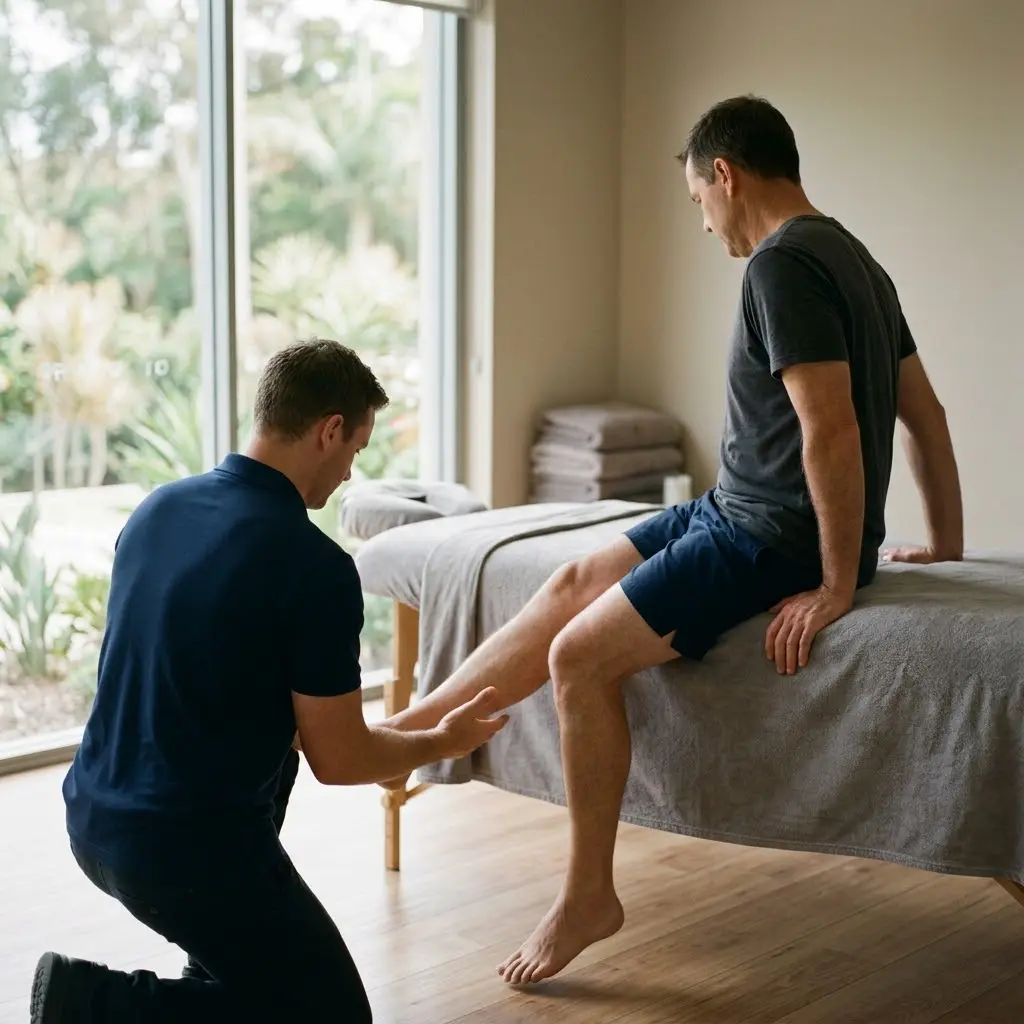
Assessing long-standing back and knee pain
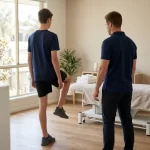
Assessment showed reduced movement through his mid-back and lower back, along with tension in the surrounding muscles. His knees also showed restricted movement, and he tended to shift load away from the more painful side when standing and walking.
Approach
Sessions focused on his physical presentation and included:
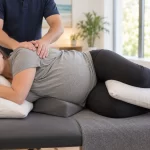
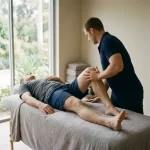
- Hands-on care for the mid-back, lower back and the muscles around the knees
- Mobility work for the spine
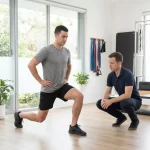
- Simple movement activities to help him share load more evenly between both legs
What the client reported
Over the course of his care, he reported that his back and knees felt more comfortable during daily activities such as walking and bending.
He also reported something neither of us expected. He said that some of his sense of taste had started to return, and that he could tell the difference between some ingredients again for the first time in years. He described this as very meaningful to him.
It is not known why this happened, or whether it had anything to do with his physical care. Taste and smell can change over time for many reasons, and this observation should not be read as evidence that massage or exercise can restore taste or smell.
Reflection on long-standing back and knee pain
Long-standing back and knee pain often benefits from looking at the whole body, including how load is shared between the spine and both legs. That was the focus here.
This case is shared mainly as an honest record of an unexpected client report. Some things that happen during care are simply not understood, and it is important to describe them carefully without drawing conclusions the evidence cannot support. Anyone with long-standing pain should also be assessed by their GP, and movement-based care can then sit alongside their medical guidance.
Related case reflections
- Case 26: Peripheral Nerve Damage and Loss of Hand Sensation
- Case 13: Long-Standing Training Injury
- Browse all case reflections